
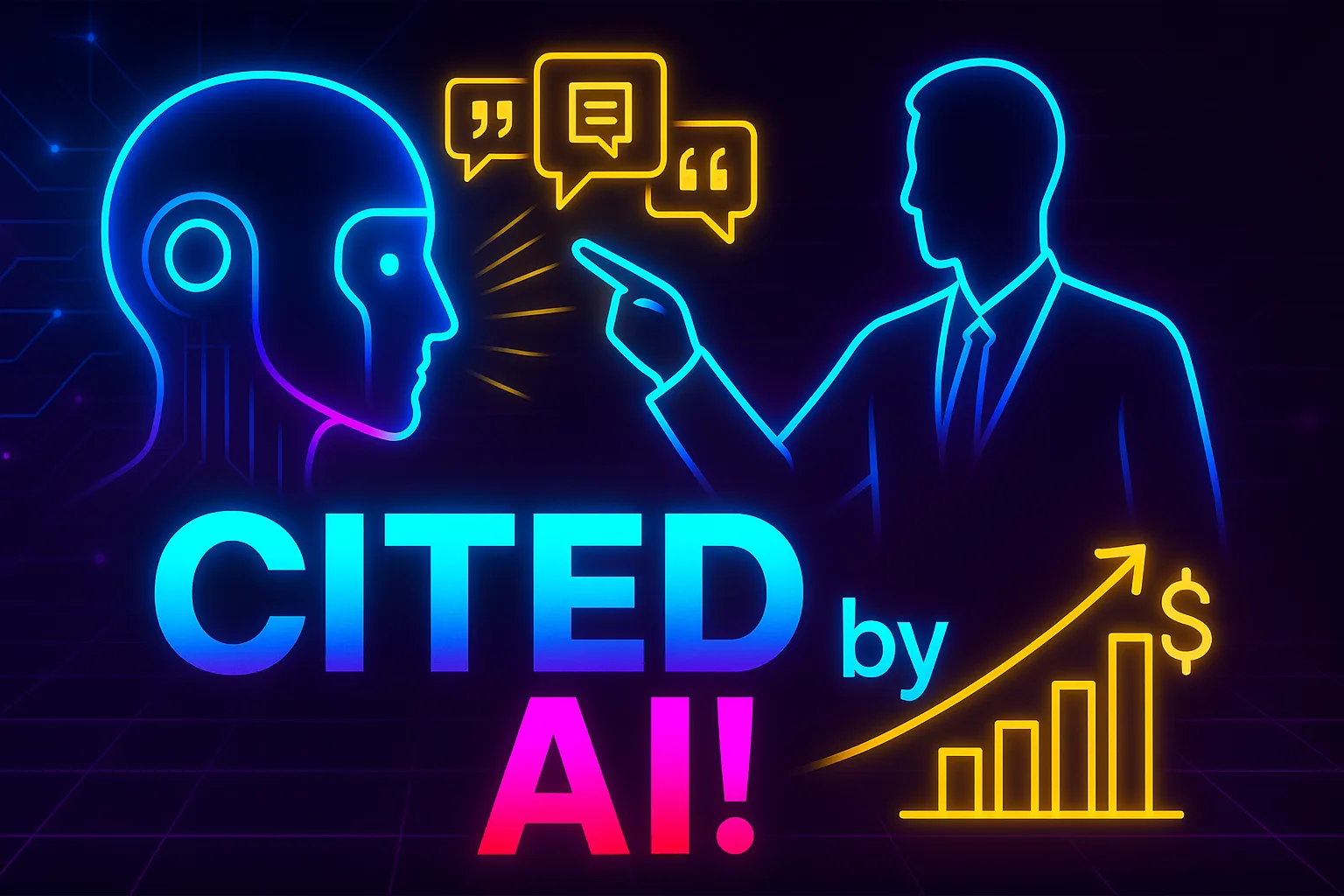
Citation-Conversion Content Strategy: 7 Proven Ways to Get Cited by AI and Win More Conversions
In 2026, every marketer needs a citation-conversion content strategy, a method for creating content that not only gets cited by AI search engines but also converts real prospects into paying customers.
“In 2026, visibility alone isn’t enough. If AI cites your content but your audience doesn’t convert, you’ve only won half the battle. A citation-conversion content strategy ensures you win both.” — Steven Diamond
What Is Citation-Conversion Content Strategy?
A citation-conversion content strategy ensures your content achieves two things:
- Gets cited by AI systems like Google’s AI Overviews, ChatGPT, and Perplexity.
- Drives conversions by persuading human readers to subscribe, book demos, or purchase.
Why It Matters in 2026
According to BrightEdge’s 2024 Generative AI Search Report, over 70% of buyers now see AI-summarized content before visiting a website. If your page is absent from AI citations, your ICP may never reach you.
7 Proven Tactics to Master Citation + Conversion
Mastering these seven tactics is essential because the digital landscape has fundamentally shifted—AI-driven search is no longer experimental, it’s the default starting point for customer journeys. When Google’s AI Overviews or ChatGPT cite your content, you instantly gain a visibility advantage, but if that exposure doesn’t translate into leads or sales, you’re missing the point. That’s why a citation-conversion content strategy matters: it combines structured, AI-friendly optimization with human-centered persuasion techniques, ensuring your content is both discoverable and effective. Each tactic—whether it’s adding schema markup, weaving in fresh data, or aligning copy with your Ideal Customer Profile—acts as a lever to increase the odds of being cited while also building trust and driving action. Without this balance, brands risk becoming “ghost sources” of information: mentioned by AI but forgotten by buyers. By applying these seven proven strategies consistently, businesses secure authority in AI search results while simultaneously nurturing conversions, creating a compounding effect that strengthens both SEO and revenue over time.
AI models prioritize structured, authoritative sources. Use H2/H3 headings, scannable paragraphs, and external links to credible research.
2. Optimize with Schema and NLP-Friendly Formatting
Add FAQ schema, use lists and bullets, and ensure titles, meta descriptions, and ALT text include your focus keyword.
3. Include Fresh Data and Original Research
AI models cite up-to-date content. The Content Marketing Institute reports that original research boosts backlinks by 47%.
4. Align with Your Ideal Customer Profile (ICP)
Use voice-of-customer research and tailor CTAs to match buyer pain points and desired outcomes.
5. Use Clear Calls-to-Action in AI-Ready Copy
Include contextual CTAs like “Book a Demo” or “Start Free Trial.” Keep CTAs short, actionable, and visible.
6. Create Trust Signals (E-E-A-T for AI + Humans)
Boost trust with author bios, testimonials, authoritative sources, and internal links to related content.
7. Measure Citation & Conversion Performance
Track AI overview mentions, conversion rates per cited page, and compare lead quality from AI vs. organic SEO.
Evergreen Takeaways
- AI citations = visibility
- Conversions = profitability
- Balancing both ensures sustainable growth
FAQ
How do I know if my content is cited by AI?
You can use tools like Perplexity’s source tracking or monitor Google AI Overviews with rank-tracking software.
Can citation alone boost my rankings?
No, citations increase exposure, but without conversion optimization, they may not drive ROI.
How often should I update content?
At least quarterly. AI tools favor fresh, updated content with new data. We can help you with this. Click here to book a free strategy call.
 Book a free strategy call today